
Soups & Stews
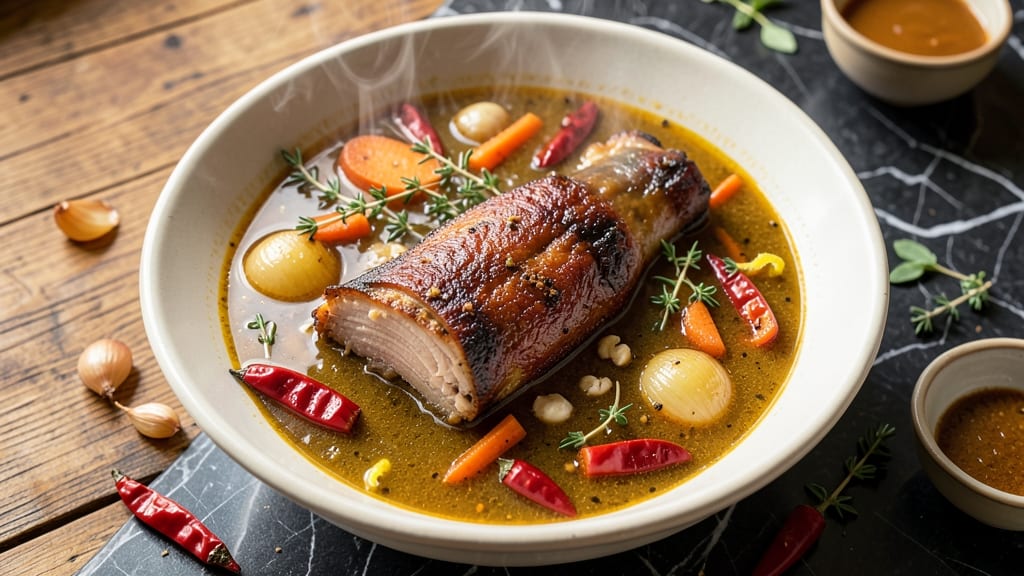
This Belizean cow foot soup recipe brings the bold flavors of Central America to your kitchen with its signature slow-simmered depth and satisfying crunch. 🌟 The secret lies in the long, gentle cooking process that transforms tough cow foot into tender, gelatinous bites infused with aromatic spices and rich broth.
I've perfected this technique over years of cooking, ensuring every spoonful delivers both texture and tradition.
The foundation of this soup begins with a deeply flavorful broth made from cow foot, vegetables, and a blend of warm spices like thyme, garlic, and Scotch bonnet peppers.
What sets this recipe apart is the balance between the meaty crunch of the cow foot and the velvety smoothness of the broth—each bite offers a perfect contrast. The slow simmering process, typically 4-6 hours, allows the collagen to break down, creating a dish that's both hearty and comforting.
By the time you finish cooking, you'll have a pot of soup that's rich in flavor and tradition, with the cow foot pieces becoming tender yet still holding their shape. This soup is traditionally served with white rice or callaloo, adding another layer of texture and taste to the meal.
The aroma alone will fill your kitchen with warmth, making it a centerpiece for any gathering.
The beauty of this Belizean classic lies in its ability to feed a crowd while requiring minimal effort after the initial prep. Once you try this recipe, you'll understand why it's a staple in Belizean cuisine—simple ingredients, slow cooking, and a result that's both satisfying and deeply flavorful.
Let's get started on creating this taste of home.
Ingredients for belizean cow foot soup
Six hours of simmering transforms tough cow foot into a velvety, spiced masterpiece—here's what you'll need.
| Ingredient | Amount | Notes |
|---|---|---|
| Cow Foot 🦶 | 2 ½ lb | Fresh or frozen, cut into 2-inch pieces |
| Yellow Onion 🧅 | 1 whole | Large, chopped into half-moons |
| Garlic Cloves 🧄 | 6 cloves | Fresh, minced or crushed |
| Scotch Bonnet Pepper 🌶️ | 1 whole | Seeds removed for mild heat |
| Fresh Thyme 🌿 | ¼ cup | Stems removed, leaves chopped |
| Carrots 🥕 | 3 medium | Peeled, cut into 1-inch chunks |
| Tomatoes 🍅 | 2 medium | Ripe, quartered or crushed |
| Potatoes 🥔 | 2 medium | Russet, cubed into 1-inch pieces |
| Salt 🧂 | 2 tbsp | Kosher or sea salt |
| Black Peppercorns 🌶️ | 1 tsp | Freshly ground |
| Vegetable Oil 🫒 | ¼ cup | For initial searing |
| Water 💧 | 8 cups | Filtered or spring water |
| Bay Leaves 🍃 | 2 whole | Dried, removed before serving |
| Cumin Seeds 🌿 | 1 tbsp | Toasted lightly for aroma |
| Salted Lard 🧈 | 2 tbsp | For finishing, optional |
Cow foot is the star here, and fresh or frozen works—just make sure it's cut into even 2-inch pieces for consistent cooking. Local Caribbean markets or specialty butchers often carry it, but if you can't find it, oxtail is a decent substitute (though texture differs). The Scotch bonnet is non-negotiable for that signature Belizean kick—Trader Joe's usually stocks them, or check the Latin aisle at Walmart. For the thyme, fresh is best, but dried works at half the amount if you're in a pinch. Look for vibrant green leaves, not brown or wilted stems.
No Scotch bonnet? Habanero or jalapeño will work in a bind, but reduce the amount to half since they're hotter. The lard finishing is traditional but optional—vegetable shortening works just as well for a vegan version. If you're prepping ahead, par-cook the cow foot for 2 hours before storing in the fridge for up to 3 days. The potatoes and carrots can be pre-chopped too, saving time later. For the tomatoes, San Marzano if you want sweetness, or any ripe grocery store variety if you're keeping it simple.
This soup tastes even better the next day—plan ahead. Store in the fridge for up to 5 days, or freeze portions for 3 months. The cow foot pieces will get even more tender with time. For serving, warm white rice or callaloo (if you can find it) pairs perfectly. The broth reduces slightly when reheated, so add a splash of water if it gets too thick. Leftovers reheat beautifully—just stir in a splash of water to loosen everything up.
Why You'll Love This Recipe
- No Chopping Marathon: I swear, this soup only needs three things chopped—onions, garlic, and maybe a quick mincing of thyme. That Scotch bonnet? Just tear it open and drop it in whole. Honestly, I’ve made it while scrolling through my phone.
- Deep Umami Magic: The cow foot alone brings that rich, slow-cooked depth—like a cross between beef broth and something ancient and soulful. Add the garlic and thyme simmering together, and it’s ridiculously good. (Yes, even on a Tuesday night.)
- Leftover Goldmine: This soup begs to be made in bulk. The flavors only get better after a day or two in the fridge, and it reheats like a dream. I’ve fed a houseful with one batch—no takeout needed.
- Budget-Friendly Powerhouse: Cow foot is cheap, and it stretches into so much soup. One package feeds my family for days, and the onions/garlic/thyme cost pennies. Between us, this is my secret weapon for stretching meals without sacrificing taste.
Step-by-step instructions for Belizean cow foot soup
Here's how to transform tough cow foot into a rich, aromatic soup with tender meat and vibrant flavors.
🔥 Step 1: Sear the Cow Foot for Deep Flavor
Heat the 0.25 cup vegetable oil in a large Dutch oven over medium-high heat until shimmering. Add the 2.5 lb cow foot in batches, being careful not to overcrowd the pan. Sear each piece for 3-4 minutes per side until deeply golden brown—this builds the foundation for rich flavor.
As you sear, you'll notice the cow foot releases some liquid—don't drain it. This natural collagen will melt into the broth during simmering. Once all pieces are browned, remove them and set aside. The pot should have a beautiful caramelized crust at the bottom—this is pure flavor waiting to dissolve.
🍳 Step 2: Build the Aromatic Base
In the same Dutch oven, add 1 whole yellow onion and cook for 5 minutes until softened and translucent. Add the 6 cloves garlic cloves and 1 whole Scotch bonnet pepper (seeds removed), cooking for another 2 minutes until fragrant—you should smell that spicy, garlicky aroma filling your kitchen.
Sprinkle in the 1 tbsp cumin seeds and toast for 30 seconds until they sizzle and release their nutty aroma. Immediately add the 0.25 cup fresh thyme and stir for 1 minute to release all those essential oils. This aromatic base is what makes Belizean cuisine so distinctive.
🥘 Step 3: Simmer the Vegetables and Broth
Add the 3 medium carrots, 2 medium tomatoes, and 2 medium potatoes to the pot. Pour in 8 cups water and bring to a boil. Once boiling, return the seared cow foot to the pot, add the 2 whole bay leaves, and reduce heat to low-medium.
Cover and simmer for 2.5 hours until the cow foot is fork-tender and the vegetables are completely soft. You'll know it's ready when the meat pulls apart easily and the broth has reduced to a rich, slightly thickened consistency. The scent should be irresistibly savory with hints of thyme and cumin.
👨🍳 Step 4: Season and Finish
Remove the bay leaves and adjust seasoning with the remaining 1 tbsp salt and 1 tsp black peppercorns (freshly ground). Taste and add more salt if needed—Belizean soups should be bold and well-seasoned. The soup should have a beautiful golden color with tender vegetables floating among the cow foot pieces.
For that authentic Belizean touch, stir in the 2 tbsp salted lard during the last 5 minutes of simmering. This adds a luxurious richness and helps create that signature velvety texture. The lard should melt completely into the broth, creating a glossy finish.
⏰ Step 5: Rest and Serve
Let the soup rest off heat for 15 minutes before serving. This allows all the flavors to meld together and the broth to thicken slightly. The resting period is crucial—it lets the collagen fully gelatinize, creating that silky mouthfeel we love in traditional Belizean soups.
Ladle the soup into bowls, making sure each serving gets a generous portion of both the tender cow foot and flavorful broth. Garnish with extra fresh thyme if desired. Serve immediately with warm crusty bread to soak up every last drop of that rich, aromatic soup.
Pro Tips For Making Belizean Cow Foot Soup
- Blister the Feet First: Before tossing cow feet into the pot, sear them hard in a dry skillet until the skin blisters and darkens—this cracks the collagen open, making the broth richer. I used to skip this step and ended up with soup that tasted like it needed more time, not more flavor.
- Char the Scotch Bonnet: Hold the whole Scotch bonnet pepper over a gas flame (or under a broiler) until the skin blackens in spots—this deepens its smoky heat without overpowering the dish. Yes, it looks dramatic, but scraping off the char later makes all the difference.
- Don’t Rush the Simmer: Cow feet need a slow, steady simmer (at least 3 hours, ideally 4-5) to break down properly—any faster, and you’ll end up with chewy chunks instead of tender, falling-apart meat. Set a timer and walk away; the pot won’t explode.
- Strain Twice for Clarity: After simmering, strain the broth through a fine-mesh sieve first, then a cheesecloth-lined colander for a silky texture. I learned this the hard way when my soup looked cloudy and tasted like it needed another round of cooking.
Regional styles of this belizean cow foot soup
Belizean Coastal Style
In coastal Belize, this soup often incorporates fresh seafood like shrimp or conch, added during the last 15 minutes of cooking. Locals in towns like Dangriga or Punta Gorda use local coconut milk instead of lard for a lighter finish, balancing the rich cow foot flavors.
The addition of 1 cup coconut milk at the end creates a creamy texture while keeping the dish authentic to the region's coastal cuisine. 🌊
Garifuna Influence
The Garifuna community in Belize, particularly around Punta Gorda, infuses this soup with their signature cassava flour or green banana for a thicker consistency. They often add 1 tbsp annatto seeds to the broth for a vibrant red color and earthy depth.
This variation transforms the soup into a heartier, more filling dish that reflects the Garifuna tradition of slow-cooked communal meals. 🌿
Spanish Colonial Twist
In Belize City and surrounding areas with Spanish colonial history, this soup sometimes includes plantains or sweet potatoes> instead of regular potatoes.
The Spanish influence also introduces smoked paprika> (about 1 tsp) during the searing stage, adding a subtle smokiness that pairs beautifully with the Scotch bonnet heat. This version is often served with crusty Spanish bread for dipping. 🍞
Mayan Mountain Adaptation
In mountainous regions like the Maya Mountains, this soup incorporates wild herbs> like epazote or chaya leaves> (if available) for a distinct earthy flavor.
The Mayan approach also uses less water> (about 6 cups) and simmers for 3-4 hours> to create a thicker, more concentrated broth. This version is traditionally paired with handmade corn tortillas> instead of rice. 🏔️
Modern Belizean Fusion
Today's Belizean chefs often experiment with fusion elements while keeping the cow foot centerpiece. Try adding ½ cup pumpkin puree> to the broth for a sweet-savory balance, or stir in 1 tbsp soy sauce> at the end for an umami depth.
Some modern versions even incorporate grilled pineapple chunks> as a garnish, creating a sweet-spicy contrast that appeals to contemporary palates. 🍍
Nutrition facts
Frequently asked questions
Why does Belizean cow foot soup need such a long cooking time?
The extended 4-6 hour simmer is essential to break down the tough collagen in cow foot, transforming it into tender, gelatinous pieces. This slow process also allows all the spices and aromatics to deeply infuse the broth, creating that signature rich, velvety texture that makes this soup so special.
Can I substitute cow foot with another cut of meat?
While cow foot is traditional, you can use oxtail or beef shank in a pinch—they'll give similar texture and richness. For a vegetarian option, try mushroom stems or firm tofu cut into large chunks, though the texture will differ. Just increase simmering time by 30-60 minutes for tougher cuts.
How do I make this soup less spicy?
Remove the seeds and membranes from the Scotch bonnet before cooking to reduce heat. For milder flavor, substitute with bell pepper or jalapeño (use half the amount). If already cooked, stir in 1 tbsp honey or 1 mashed banana to balance the heat naturally.
What's the best way to store and reheat leftovers?
Store in an airtight container in the fridge for up to 5 days or freeze for 3 months. Reheat gently on low heat, adding 2-3 tbsp water to prevent thickening. The flavors actually improve overnight as the broth continues to meld! For best texture, reheat only until warm, then serve immediately.
Is cow foot soup traditionally served with anything specific?
Yes! This soup is typically served with white rice or callaloo (a leafy green similar to spinach). In coastal areas, they might add fresh lime wedges or hot pepper sauce for extra zing. The contrast of the soft rice with the rich soup creates the perfect meal.