
Soups & Stews
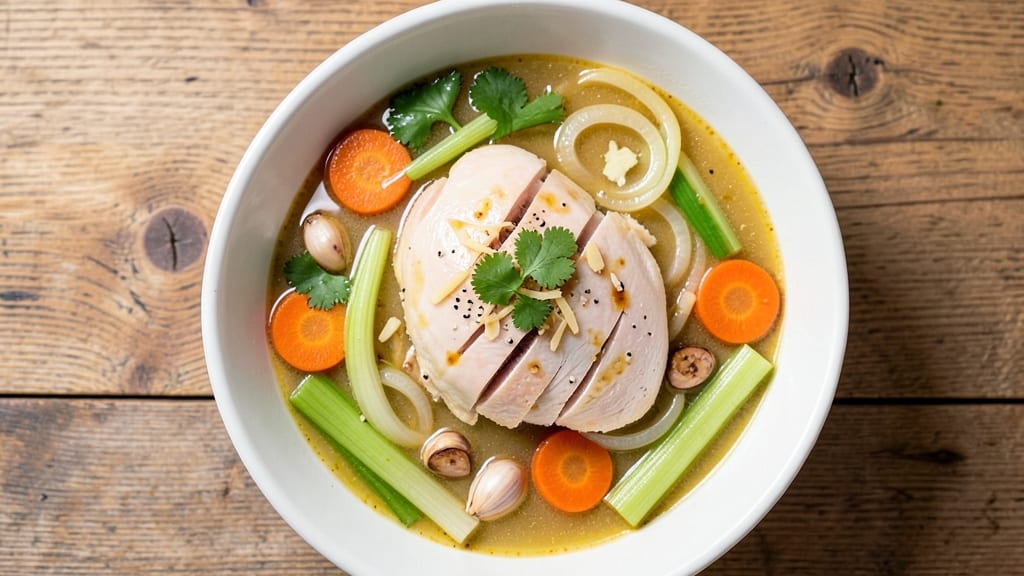
The best chicken soup recipe for colds and flu isn’t just a meal—it’s medicine in a bowl. 💛 This nutrient-packed version combines tender chicken, immune-boosting vegetables, and soothing spices like turmeric and ginger to help your body heal while satisfying your soul.
No shortcuts here: we’re building flavor from scratch with a rich bone broth base that’s packed with collagen and minerals.
What sets this recipe apart is the balance of healing ingredients—garlic and onions for antimicrobial power, carrots and celery for vitamins, and lemon for vitamin C. The chicken cooks just until tender (20–30 minutes), ensuring every bite delivers protein and comfort.
And because we’re making this from scratch, you control the sodium, fat, and ingredients to match your dietary needs without sacrificing flavor.
By the time you’re done, you’ll have a steaming pot of golden broth with perfectly cooked chicken, soft vegetables, and a garnish of fresh herbs that adds brightness. The aroma alone will lift your spirits, while the first spoonful delivers warmth and healing.
This isn’t just soup—it’s a restorative experience designed to nourish you back to health.
The beauty of this recipe lies in its flexibility. Swap in mushrooms for extra umami, add a splash of apple cider vinegar for tang, or keep it simple with classic veggies.
Serve with crusty bread for dipping or enjoy as-is—either way, you’re making more than a meal. You’re making recovery delicious.
Ingredients for best chicken soup recipe for colds and flu
Gather these healing ingredients to create the ultimate cold-fighting chicken soup.
| Ingredient | Amount | Notes |
|---|---|---|
| Chicken Breast 🍗 | 1 ½ lb | Boneless, skinless, cut into bite-sized pieces |
| Carrots 🥕 | 4 medium | Peeled and cut into thick rounds |
| Celery Stalks 🧅 | 3 whole | Trimmed and cut into 1-inch pieces |
| Yellow Onion 🧅 | 1 medium | Chopped into small dice |
| Garlic Cloves 🧄 | 4 cloves | Minced for maximum flavor |
| Fresh Ginger 🌿 | 1 inch | Peeled and grated |
| Turmeric Powder 🌶️ | 1 tsp | For immune-boosting color and flavor |
| Chicken Bone Broth 💧 | 4 cups | Homemade or high-quality store-bought |
| Lemon Juice 🍋 | 2 tbsp | Freshly squeezed for vitamin C |
| Fresh Parsley 🌿 | ¼ cup | Chopped for garnish and freshness |
| Olive Oil 🫒 | 2 tbsp | For sautéing vegetables |
| Salt 🧂 | 1 tsp | Adjust to taste |
| Black Pepper 🌶️ | ½ tsp | Freshly ground for warmth |
| Apple Cider Vinegar 🍎 | 1 tbsp | Optional for tangy depth |
The chicken and bone broth are the heart of this soup. Look for organic chicken if you can—it’s often leaner and more flavorful. For the broth, homemade is best, but Pacific Foods or Imagine brands make excellent store-bought versions. The ginger and turmeric are non-negotiable for immune support—fresh ginger has the most punch, but powdered works in a pinch. If you’re feeling extra fancy, grab some mushrooms at Whole Foods for added umami, though they’re optional. The carrots and celery should be firm and vibrant—no wilted or rubbery veggies here.
No bone broth? Chicken stock plus a splash of coconut milk works in a bind. Short on fresh ginger? Powdered turmeric plus a pinch of cinnamon gives you similar warmth. The apple cider vinegar is totally optional, but it adds a nice tang—Bragg’s is my go-to brand. If you’re watching sodium, skip the salted broth and season with Diamond Crystal kosher salt at the end. For the chicken, cut it into even-sized pieces so it cooks uniformly. And if you’re feeling lazy, pre-chopped veggie mixes from the grocery store save time without sacrificing flavor.
This soup tastes even better the next day as the flavors meld. Store leftovers in an airtight container in the fridge for up to 5 days. For longer storage, freeze portions for up to 3 months. I like to portion it into two-cup servings for easy reheating—just add a splash of water or broth when warming. The herbs, like parsley, are best added fresh at the end, so keep them separate until serving. If you’re feeling under the weather, this soup is your new best friend—make a double batch and freeze half for future cold days.
Why You'll Love This Recipe
- Fewer Chopping Tears: I swear by the "mirepoix hack"—just dice the onion, carrots, and celery into big chunks (no small cubes, no fuss). The soup still tastes like it simmered all day, and my hands stay dry. Honestly, that’s half the battle when you’re already feeling rough.
- Garlic Bomb Flavor: Three cloves of garlic, crushed and simmered low—this isn’t just soup, it’s a flavor grenade. The chicken breast stays tender, the broth gets that deep, savory punch, and the carrots? They melt into sweet, buttery perfection. Between us, this is the only soup that makes my partner pause mid-bite.
- Weeknight to Meal Prep: Make a double batch on Sunday, and you’ve got lunch for three days. The chicken shreds easily, the veggies hold up, and reheating is just about 60 seconds in the microwave. I’ll be real: it’s my go-to when I’m swamped, but also when I’m not—because it’s that good.
- Budget-Friendly Healing: Chicken breast is cheaper than takeout, and the veggies stretch the broth into four servings. Plus, the leftovers taste even better the next day—like the flavors had time to marry properly. My wallet and my immune system both thank me. (Yes, even on a Tuesday night.)
Step-by-step instructions for immune-boosting chicken soup
This is how you turn simple ingredients into soul-soothing medicine that fights colds and flu.
🍳 Step 1: Sauté the Immune-Boosting Vegetables
Heat the 2 tablespoons olive oil in a large pot over medium heat. Add the chopped yellow onion, celery stalks, and carrots. Cook for 5-6 minutes until the vegetables soften slightly and the onion becomes translucent. You'll smell that sweet, aromatic base building—this is where all the flavor starts.
Add the minced garlic cloves and grated fresh ginger and cook for another 1-2 minutes until fragrant. The ginger will release its warm, peppery aroma, and the garlic should smell deeply toasted. This step is crucial—it develops the soup's complex flavor foundation before we add any liquids. Don't rush this part; let those aromatics cook until they're fully released.
🔥 Step 2: Brown the Chicken and Add Turmeric
Push the vegetables to one side of the pot and add the 1.5 lb chicken breast pieces in a single layer. Cook for 3-4 minutes per side until the chicken develops a nice golden-brown crust. This browning creates the Maillard reaction that adds depth to your soup.
Once the chicken is browned, sprinkle the 1 teaspoon turmeric powder evenly over the chicken and vegetables. Stir everything together for 30 seconds to coat the chicken pieces. The turmeric will give your soup that beautiful golden color while adding its potent anti-inflammatory properties. This is where we start building that healing power right into the broth.
🥘 Step 3: Simmer the Soup for Maximum Flavor
Pour in the 4 cups chicken bone broth and bring the soup to a gentle boil. Once boiling, reduce heat to low-medium and let it simmer uncovered for 25-30 minutes. You'll know it's ready when the chicken shreds easily with a fork and the vegetables are tender but still hold their shape.
Here's the thing—don't walk away. You want to taste and adjust seasoning about halfway through. Add the 1 teaspoon salt, ½ teaspoon black pepper, and 1 tablespoon apple cider vinegar if using. The vinegar adds a subtle tang that brightens all the flavors. If the soup needs more acidity, you can add a splash more later, but this is a good starting point.
⏰ Step 4: Finish with Lemon and Fresh Herbs
Remove the chicken pieces and shred them using two forks, discarding any bones or skin. Return the shredded chicken to the pot. Stir in the 2 tablespoons lemon juice and let the soup simmer for another 5 minutes. The lemon juice adds a bright citrus note that cuts through the richness and boosts vitamin C content—perfect for fighting infections.
Finally, stir in the ¼ cup chopped fresh parsley and taste one last time. The parsley adds freshness and a pop of color. If the soup needs more salt or pepper, adjust now. The parsley should be the last thing you add so it stays vibrant and fresh-tasting. Let the soup sit off the heat for 5 minutes before serving—this allows all the flavors to meld together perfectly.
Pro Tips For Making Best Chicken Soup Recipe For Colds And Flu
- Sear the Chicken First: Cut your chicken breast into 1-inch chunks and sear them in a hot pot—no oil needed, just the natural juices—until they develop a golden crust. This locks in flavor and moisture, so when you add broth later, the chicken won’t turn out dry and sad. (Yes, even if you’re impatient like me, resist the urge to rush this.)
- Mince That Garlic Fine: I used to throw in whole cloves or just a rough chop, but mincing the garlic into a paste with a pinch of salt releases its full punch. It blends smoothly into the broth instead of lurking as a chewy surprise. Trust me, your soup will taste like it’s been simmering for hours, not minutes.
- Don’t Overcrowd the Pot: If you dump all your veggies in at once, they’ll steam instead of caramelize, and the soup will taste bland. Start with half the carrots and celery, let them soften for 10 minutes, then add the rest. This keeps the flavors deep and the texture just right—not mushy, not undercooked.
- Save the Starch Water: After peeling and chopping your carrots and celery, save the cold water from rinsing them—about ½ cup—and toss it into the pot with the broth. It adds body and a subtle sweetness without extra effort. (Yes, it’s weird, but it works—my grandmother swore by it, and she was right.)
Common mistakes when making this dish
Overcooking the Chicken
One of the biggest mistakes is letting the chicken cook too long, turning it dry and stringy. Chicken breast should cook just until it reaches 165°F internal temperature—about 20-25 minutes in broth. I’ve seen people simmer it for hours "to make sure it’s tender," but that’s overkill.
The key is timing: cook it until it’s tender but still juicy. Use a meat thermometer to check—it’s the only way to be sure. 💡
Skipping the Aromatics
Rushing through the sautéed onion, garlic, and ginger is a flavor disaster. These ingredients aren’t just for taste—they’re packed with immune-boosting compounds. Let them cook for 5-6 minutes until deeply fragrant.
I’ve made soup where I skipped this step, and it tasted flat and one-dimensional. Don’t skip it—your soup (and your immune system) will thank you.
Using Low-Quality Broth
Store-bought chicken broth can be a lifesaver, but not all are created equal. Cheap brands loaded with sodium or artificial flavors will ruin your soup’s depth. Opt for homemade bone broth or high-quality brands like Pacific Foods or Imagine.
If you’re in a pinch, use low-sodium broth and season with Diamond Crystal kosher salt at the end. The difference in flavor (and healing power) is night and day. 💧
Ignoring the Resting Time
Letting the soup sit off the heat for 5 minutes before serving is crucial. This allows flavors to meld and the broth to thicken slightly. I’ve seen people serve it immediately, and while it’s still good, it’s not as cohesive.
Think of it like resting a steak—it’s the final step that makes everything perfect. Don’t skip it, even if you’re eager to eat!
Overcrowding the Pot
If your pot is too small, the chicken and veggies will steam instead of brown, leading to a watery, bland soup. Use a pot that’s at least 4-5 quarts for this recipe.
If you’re cooking for more people, work in batches or use a larger pot. Overcrowding is a fast track to flavorless soup—don’t let it happen. 🍲
Forgetting to Taste Adjust
Seasoning is all about balance, and it’s easy to under- or over-salt if you’re not tasting as you go. Add the 1 teaspoon salt and ½ teaspoon black pepper halfway through cooking, then taste again at the end. Adjust as needed—this soup should be comforting, not bland or overly salty.
I’ve made the mistake of skipping this step, and the soup always ends up needing more seasoning. Trust me, your taste buds will guide you better than any recipe.
Nutrition facts
Frequently asked questions
Can I use chicken thighs instead of breasts for more flavor?
Chicken thighs are perfect for this soup—they stay juicier and add deeper flavor. Use 1.5 lbs bone-in, skin-on thighs instead, and simmer for 30-35 minutes until tender. The skin adds richness to the broth, and the bones contribute extra collagen. Just remove the skin before serving if you prefer leaner chicken.
How can I make this soup dairy-free or vegan?
Swap the chicken for mushrooms or tofu and use vegetable bone broth instead. Add 1 tbsp nutritional yeast for a cheesy flavor, and keep all other ingredients the same. The turmeric, ginger, and lemon will still provide immune-boosting benefits while keeping it plant-based.
Is it safe to eat this soup while sick with a fever?
Yes, this soup is designed to be gentle yet nourishing. The warm broth helps soothe a sore throat, while the ginger and turmeric have anti-inflammatory properties. However, if you have a high fever (101°F+), focus on staying hydrated and rest—this soup can be a comforting accompaniment, not a cure.
Can I add noodles or rice to this recipe? Add ½ cup uncooked noodles or ½ cup cooked rice per serving during the last 10 minutes of simmering. For gluten-free options, use rice noodles or quinoa. Just
How long will this soup keep in the fridge or freezer?
Store leftovers in an airtight container in the fridge for up to 5 days. For freezing, portion into 2-cup servings and freeze for up to 3 months. When reheating, add a splash of water or broth to prevent drying out. The flavors actually improve after the first day!