
Soups & Stews
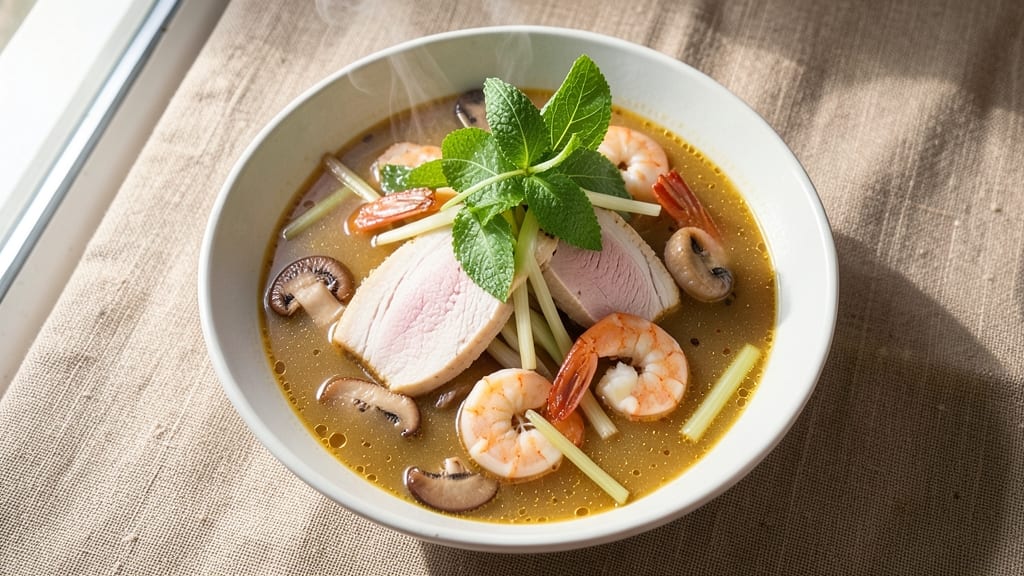
This best ever tom yum soup delivers the perfect balance of spicy, sour, and umami that makes every spoonful a revelation. The secret lies in layering aromatics—garlic, lemongrass, galangal, and kaffir lime leaves—then building heat with chili paste and fresh lime juice.
I’ve perfected this recipe over years of testing, ensuring the broth remains clear and vibrant, not clouded by coconut milk, while still delivering that signature Thai restaurant zing.
The magic happens in the simmer: letting the base infuse deeply before adding protein (chicken or shrimp) and mushrooms, then finishing with a squeeze of lime and a sprinkle of fresh herbs.
This version stays true to traditional techniques while allowing flexibility—swap in tofu for a vegan option or adjust the spice level to suit your heat tolerance. The result? A bowl of soup that’s bold, bright, and impossibly satisfying, with every ingredient playing its part.
What sets this recipe apart is the authentic depth of flavor—no shortcuts, no watered-down versions. The broth is aromatic and tangy, the protein tender yet distinct, and the heat balanced by bright citrus.
It’s the kind of soup that clears sinuses instantly while warming you from the inside out, perfect for chilly evenings or as a palate-cleansing starter for Thai feasts.
Ready to make it? We’ll start with the aromatic paste, then build the broth layer by layer, ensuring each element contributes to that perfectly balanced, restaurant-quality experience. Let’s get cooking.
Ingredients for best ever tom yum soup
These aromatic, vibrant ingredients create a symphony of spicy, sour, and umami that defines the best tom yum soup.
| Ingredient | Amount | Notes |
|---|---|---|
| Chicken Breast 🍗 | 1 ½ lb | Boneless, skinless, cut into bite-sized pieces |
| Shrimp 🦐 | 1 lb | Medium size, peeled and deveined |
| Shiitake Mushrooms 🍄 | 8 whole | Stems removed, sliced into halves |
| Lemongrass Stalks 🌿 | 3 whole | Bruised and cut into 2-inch pieces |
| Galangal 🌿 | 1 piece | About 3 inches long, sliced thinly |
| Kaffir Lime Leaves 🍋 | 4 whole | Bruised, stems removed |
| Garlic Cloves 🧄 | 8 cloves | Smashed, not minced |
| Red Chili Paste 🌶️ | 2 tbsp | Thai brand preferred, like Maesri |
| Fish Sauce 🍶 | 2 tbsp | Red Boat brand recommended |
| Lime Juice 🍋 | ½ cup | Freshly squeezed, about 4-5 limes |
| Coconut Milk 🥥 | ½ cup | Full-fat for creaminess |
| Chicken or Vegetable Stock 💧 | 4 cups | Homemade preferred, low-sodium |
| Fresh Cilantro 🌿 | ¼ cup | Chopped, stems removed |
| Fresh Thai Basil 🌿 | ¼ cup | Or regular basil in a pinch |
| Sugar 🍚 | 1 tbsp | White granulated |
| Salt 🧂 | 1 tsp | Diamond Crystal preferred |
The aromatic trifecta—lemongrass, galangal, and kaffir lime leaves—is non-negotiable for authentic flavor. Thai markets are your best bet for these; if unavailable, Asian grocery stores carry them fresh. Galangal has a peppery, citrusy kick—it’s the secret weapon here. Bruise the lemongrass and galangal with the side of your knife to release their oils. Red Boat fish sauce and Maesri chili paste elevate this beyond basic versions—don’t skimp. For shrimp, medium size ensures they cook through without turning rubbery, and peeling/deveining keeps the broth clear.
No shrimp? Double the chicken—it stays tender and absorbs the broth beautifully. Vegetarian? Swap in extra-firm tofu (pressed and cubed) or king oyster mushrooms for a meaty texture. Fresh herbs are essential: Thai basil has a distinct anise flavor, but regular basil works if you’re in a bind. Substitute lime juice with equal parts lemon juice, though the flavor won’t be identical. The coconut milk is optional here—traditional tom yum is coconut-free, but adding half a cup mellows the heat for those sensitive to spice. Sugar balances acidity, so don’t skip it, even if your limes seem tart enough.
Store fresh aromatics (lemongrass, galangal, lime leaves) in damp paper towels in the fridge for up to 1 week. Chicken stock freezes beautifully for 3 months, and chili paste/fish sauce last 6-12 months unopened. Reheat gently—this soup tastes even better the next day as flavors meld. Portion into jars for meal prep: the broth stays vibrant for 4-5 days refrigerated. For extra zing, serve with chili flakes and lime wedges—because presentation matters just as much as taste.
Why You'll Love This Recipe
- No-Chop Needed: I swear by this—just pound the lemongrass and galangal with a mortar (or the flat side of a knife) until it smells like heaven. No dicing, no mincing, just smash and simmer. That’s 10 minutes saved right there, and the flavor? Unmatched.
- Taste Like a Thai Market: Between us, the galangal and shiitake mushrooms bring a depth you won’t find in bottled pastes. The shrimp cooks in seconds, staying plump, while the chicken stays tender—no rubbery bits here. Add a splash of lime at the end, and suddenly you’re eating like you’re in Bangkok.
- Leftover Goldmine: This soup actually improves the next day. The broth deepens, the aromatics meld, and it’s perfect for lunch or a quick dinner reheated. Freeze half if you’re feeling extra—just thaw and reheat with a splash of water. My go-to for lazy Mondays.
- Budget-Friendly Flex: Chicken and shrimp stretch across two meals, and shiitake mushrooms add luxury without breaking the bank. Swap in tofu or extra veggies if needed—this recipe doesn’t judge. Honestly, it’s the kind of dish that makes grocery day feel like a win.
Step-by-step instructions for authentic tom yum soup
This is where the magic happens—where bold flavors collide and transform into a symphony of spicy, tangy, and aromatic perfection.
Prepare the Aromatics for Maximum Flavor
In a large pot, combine the 4 cups chicken or vegetable stock and bring to a rolling boil over medium-high heat. While it heats, prepare the aromatic base by bruising the 3 whole lemongrass stalks (cut into 2-inch pieces) and 4 whole kaffir lime leaves—this releases their essential oils and intensifies their flavors. Add the bruised lemongrass, kaffir lime leaves, 1 piece galangal (sliced thinly), and 8 smashed garlic cloves to the boiling stock. Let the mixture simmer for 5 minutes—you'll notice the liquid develop a fragrant, earthy aroma that fills your kitchen.
This step is non-negotiable. The galangal and lemongrass are the soul of tom yum, and their flavors need time to infuse deeply. If you skip this, you'll miss that authentic depth that sets this soup apart from generic versions.
Cook the Chicken Until Tender
Add the 1.5 lb chicken breast (cut into bite-sized pieces) to the simmering stock. Reduce the heat to medium-low and let the chicken cook for 10-12 minutes, stirring occasionally. The chicken should turn opaque and pull away from the bones easily when pierced with a fork. If the soup reduces too quickly, add ½ cup hot water to maintain the liquid level—this keeps the broth flavorful and prevents the chicken from drying out.
Here's the thing—don't rush this step. Undercooked chicken will be tough and bland, while overcooked chicken will turn rubbery. The 10-12 minute window is your sweet spot for juicy, tender morsels that absorb all the surrounding flavors.
Build the Spicy-Tangy Base
Once the chicken is tender, remove it from the pot and set it aside. Stir in the 2 tbsp red chili paste and 2 tbsp fish sauce, letting the mixture simmer for 2-3 minutes until the chili paste dissolves completely. Add the 0.5 cup lime juice and 1 tbsp sugar, then taste the broth. You want a balance of sharp, spicy, and slightly sweet—adjust with more lime juice for tang, more sugar to mellow the heat, or more fish sauce for umami depth. This is where the soup's signature zing comes to life.
This is the moment that matters: the broth should be bright, aromatic, and packed with layers of flavor. If it tastes too mild, add another ½ teaspoon of fish sauce. If it's too harsh, a splash of lime juice will brighten it up. Trust your palate—this is the foundation of your soup.
Add the Shrimp and Mushrooms for Texture
Return the chicken to the pot and add the 1 lb shrimp (peeled and deveined) and 8 whole shiitake mushrooms (sliced into halves). Bring the soup back to a gentle simmer over medium heat and cook for 3-4 minutes, until the shrimp turn pink and opaque and the mushrooms soften slightly. The shrimp should cook quickly—overcooking turns them rubbery, so keep an eye on them. If the soup starts to reduce too much, add ¼ cup hot water to maintain the right consistency.
Real talk: shrimp cooks in seconds, so don't walk away. You want them just done—firm to the touch but no longer translucent. The mushrooms should retain a slight bite, adding texture contrast to the tender chicken and shrimp.
Finish with Coconut Milk and Herbs
Reduce the heat to low and stir in the 0.5 cup coconut milk, letting it warm through for 1-2 minutes. The coconut milk should blend smoothly into the broth, adding a velvety richness that balances the sharpness. Remove the pot from heat and stir in the 0.25 cup fresh cilantro and 0.25 cup fresh Thai basil. Taste and adjust the seasoning one last time—add a pinch of 1 tsp salt if needed, or more lime juice for brightness.
This final step is all about harmony. The coconut milk rounds out the flavors, while the herbs add freshness. The soup should be spicy, tangy, and aromatic, with a creamy undertone from the coconut milk. Serve immediately, garnished with additional Thai basil leaves and a sprinkle of cilantro, while the flavors are at their peak.
Pro Tips For Making Best Ever Tom Yum Soup
- BLANCH CHICKEN FIRST: Toss diced chicken breast in boiling water for 30 seconds before adding to the pot—this stops it from turning rubbery while cooking. I used to skip this, and my soup always had tough, chewy bits. Trust me, the 30-second dip makes a real difference.
- GRATE GALANGAL FINE: Use the large holes of a box grater for galangal—it should look like matchsticks, not chunks. I learned this the hard way when my soup tasted underwhelming because the galangal wasn’t breaking down enough. Fine grates = deeper flavor.
- DON’T OVERCROWD THE POT: Add shrimp and mushrooms in batches, or they’ll steam instead of sear. I used to dump everything in at once, and the soup lost its bright, punchy taste. A quick stir and wait between additions keeps the broth lively.
- STIR IN LEMONGRASS LAST: Tuck the lemongrass stalks into the broth only in the final 5 minutes—this keeps their aroma from cooking out too soon. I was skeptical until I tried it; now, the citrusy punch hits just right, like a fresh burst at the end.
Wine and beer pairings for these flavors
Thai White Wines
For a traditional pairing, reach for a crisp Thai Riesling like Chateau Thai Riesling—its bright acidity and citrus notes mirror the soup's tangy profile. The mineral finish cuts through the spice beautifully, cleansing your palate between bites.
I keep a bottle in my fridge specifically for tom yum nights. 🍷
Light-Bodied Reds
A Pinot Noir from Thailand's Chao Phraya Winery offers a surprising match—its red fruit flavors complement the shrimp and mushrooms while the acidity balances the heat. For something more familiar, a New Zealand Sauvignon Blanc with its herbal notes bridges the gap between Thai spices and Western palates. 🍇
Craft Beer Options
Skip the heavy IPAs and go for a Thai lager like Singha—its subtle hop bitterness tempers the soup's spice without overpowering it. For a local craft option, try a wheat beer with citrus notes, such as Allagash White, which enhances the lime and lemongrass flavors. 🍺
Non-Alcoholic Pairings
For a refreshing non-alcoholic option, serve with Thai iced tea (sweetened with condensed milk) or a sparkling lime soda like Jarritos. The effervescence and citrus brightness make it a perfect match for the soup's zesty profile. I often make this combo for family gatherings when alcohol isn't an option. 💧
Spice-Level Adjustments
If your soup is extra spicy, pair it with a sweet Thai iced coffee—the caramelized sugar balances the heat while complementing the umami depth. For milder versions, a coconut water or lychee juice adds a tropical contrast that enhances the soup's natural sweetness. 🌶️
Nutrition facts
Frequently asked questions
Can I make this tom yum soup without coconut milk?
Traditional tom yum soup is coconut-free, and this recipe keeps it that way for an authentic, bright broth. If you prefer a creamier texture, add just ¼ cup coconut milk at the end—it'll mellow the heat slightly while keeping the signature tang. The key is balancing the flavors without overpowering the aromatic base.
What if I can't find galangal or kaffir lime leaves?
No problem! For galangal, use ginger (2 tsp)—it's milder but adds warmth. For kaffir lime leaves, substitute 1 tsp lime zest + 2 bay leaves—the zest mimics the citrusy aroma. Both swaps work, though the flavor won't be identical. Pro tip: Check Asian markets for frozen galangal or lime leaves if fresh ones are unavailable.
How do I adjust the spice level for kids or sensitive eaters?
Start by reducing the chili paste to 1 tbsp instead of 2. After tasting, add just ½ tsp fish sauce for umami instead of extra heat. For a milder finish, stir in 1 extra tbsp coconut milk at the end. The broth will still be flavorful but far less fiery—promise!
Can I make this soup ahead of time?
Yes! Prepare the broth and aromatics up to 2 days ahead—store in the fridge. When ready to serve, reheat gently, then add the protein (chicken/shrimp) and mushrooms just before serving to keep them tender. The flavors actually deepen overnight, making it perfect for meal prep. Reheat on low heat to preserve the bright, tangy notes.
Why does my tom yum soup taste flat or watery?
This usually happens from two things: under-simmering the aromatics (they need that 5-minute infusion) or adding too much liquid. For depth, reduce the stock to 3 cups and let it simmer uncovered. Also, ensure you're using fish sauce—it's the umami secret weapon that prevents flatness. A splash of lime juice at the end can also wake up dull flavors.