
Soups & Stews
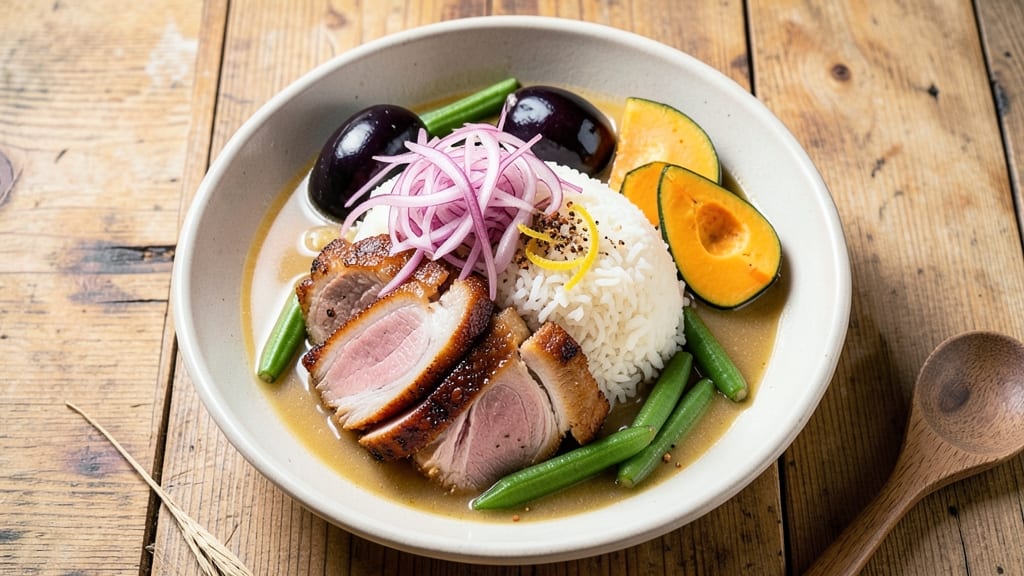
This Filipino bihon soup recipe brings comfort and tradition to your kitchen with its rich, savory broth and tender ingredients. 🌟 A staple in Filipino households, bihon soup transforms simple rice, pork, and vegetables into a hearty, flavorful stew that simmers to perfection.
The secret lies in balancing the natural sweetness of the vegetables with the deep, umami-rich pork broth.
The recipe begins with pork ribs or belly, slow-cooked until the meat falls off the bone, creating a fragrant, flavorful base. Vegetables like squash, eggplant, and okra are added later, absorbing the rich broth while maintaining their natural textures.
The dish is completed with bihon rice—long-grain rice that stays firm and absorbs the broth beautifully.
What makes this soup truly special is its ability to turn everyday ingredients into a restaurant-quality meal. The aroma alone will fill your home with warmth, while the tender meat and vegetables create a harmonious blend of flavors.
It’s the kind of dish that feels like a hug in a bowl.
Perfect for family gatherings or cozy weeknight dinners, this bihon soup delivers on both tradition and taste. Let’s get started on creating a dish that’s as comforting as it is delicious.
Ingredients for bihon soup recipe filipino
Six servings of soul-warming Filipino tradition—pork, rice, and vegetables simmered into umami perfection.
| Ingredient | Amount | Notes |
|---|---|---|
| Pork Belly (or Pork Ribs) 🥓 | 2 lb | Cut into 2-inch pieces |
| Bihon Rice 🍚 | 1 cup | Uncooked, long-grain variety |
| Squash (Kabocha or Butternut) 🎃 | 1 medium | Peeled, cubed, 1-inch pieces |
| Eggplant 🍆 | 1 medium | Peeled, sliced into 1-inch rounds |
| Okra 🌿 | 6 pieces | Trimmed, cut into 2-inch lengths |
| Onions 🧅 | 2 whole | Yellow, quartered |
| Garlic Cloves 🧄 | 6 cloves | Minced, for depth of flavor |
| Tomatoes 🍅 | 2 medium | Ripe, diced, for natural sweetness |
| Bay Leaves 🌿 | 2 whole | Fresh for aromatic depth |
| Salt 🧂 | 1 ½ tsp | Diamond Crystal preferred |
| Black Peppercorns 🌶️ | ½ tsp | Freshly ground for heat |
| Fish Sauce 🍶 | 1 tbsp | Red Boat brand recommended |
| Sugar 🍬 | 1 tsp | White granulated for balance |
| Water 💧 | 8 cups | Filtered preferred for clarity |
The pork belly is the heart of this soup—look for thick-cut pieces with good marbling at your local Asian market or butcher shop. Costco often carries pre-cut pork belly in bulk, which saves time. If using ribs, opt for the meatier, less cartilaginous cuts. The bihon rice should be firm when cooked; Filipino markets carry it in bulk bins, but Asian grocery stores also stock it. Fresh bay leaves elevate the aroma, so avoid dried unless specified. For the vegetables, farmers markets often have better-quality squash and eggplant—look for firm, vibrant produce without soft spots.
No pork belly? Pork shoulder or ribs work equally well, though cooking time may vary. Substituting squash or eggplant? Zucchini or sweet potato both adapt beautifully—just adjust cooking time to avoid mushiness. Fresh tomatoes are ideal, but canned crushed tomatoes at half the amount work in a pinch. The fish sauce is non-negotiable for authentic flavor—Red Boat or Three Crabs brands are widely available. For a vegetarian version, replace pork with extra-firm tofu or mushrooms and use vegetable broth instead of water. The sugar balances acidity; reduce to 0.5 tsp if your tomatoes are particularly tart.
This soup tastes even better the next day as flavors meld. Store in an airtight container in the fridge for 4-5 days, or freeze portions for up to 3 months. For reheating, simmer gently on the stove—microwaving can make the rice mushy. To prep ahead, par-cook the pork and vegetables separately, then combine with fresh rice before serving. The broth reduces as it sits, so add 1-2 cups of water when reheating if needed. Leftovers reheat beautifully for quick lunches.
Why You'll Love This Recipe
- One-Pot Magic: I swear by this recipe when I’m too tired to wash extra bowls—just toss everything in one pot, simmer, and you’re done. The pork belly melts into the broth while the squash and eggplant soften perfectly without needing separate pans.
- Umami Bomb: That slow-cooked pork belly? It turns the broth into liquid gold—rich, savory, and packed with flavor. The okra adds a subtle crunch that keeps every bite interesting, and the bihon rice soaks up all the goodness like a sponge.
- Leftovers That Don’t Suck: Honestly, this soup tastes even better the next day. I make a big batch on Sundays, and by Wednesday, it’s still comforting and delicious. The flavors deepen, and the rice gets just the right texture—no sad, dry leftovers here.
- Budget-Friendly Feast: Pork ribs or belly stretch across multiple meals, and seasonal veggies like squash and eggplant are often cheap. It’s the kind of dish where you feed a crowd without breaking the bank, and everyone leaves happy. (Yes, even my picky eaters.)
Step-by-step instructions for Filipino bihon soup
This traditional stew delivers rich, savory depth through careful layering of pork and vegetables.
🔥 Step 1: Sear the Pork for Maximum Flavor
Heat a large Dutch oven over medium-high heat until hot. Add the 2 lb pork belly (or pork ribs) cut into 2-inch pieces, working in batches if needed. Sear for 4-5 minutes per side until deep golden brown and slightly crispy in spots. This caramelization builds the soup's foundational flavor.
Remove the pork and set aside. In the same pot, add 2 whole onions quartered and 2 medium tomatoes diced. Cook for 3-4 minutes until the onions soften and begin to brown. Here's the thing—don't rush this step. The onions need time to develop sweetness that will carry through the entire soup.
🍳 Step 2: Build the Aromatic Base
Reduce heat to medium and add 6 cloves minced garlic and 2 whole bay leaves. Stir for 30 seconds until fragrant—you should smell that unmistakable garlic aroma. Add 1.5 tsp salt, 0.5 tsp black peppercorns, and 1 tsp sugar, stirring to combine.
Pour in 8 cups water and bring to a boil. Return the seared pork to the pot, along with any accumulated juices. The liquid should nearly cover the pork. Here's where it gets crucial—skimming any foam that rises to the surface during the first 5 minutes of simmering ensures a clear, clean broth.
🥘 Step 3: Simmer Pork Until Tender
Reduce heat to low and simmer uncovered for 1 hour to 1 hour 15 minutes, until the pork is fork-tender. You'll know it's ready when a knife slides in easily and the meat pulls apart cleanly. This slow cook time transforms tough cuts into melt-in-your-mouth tenderness.
During the last 30 minutes of cooking, add 1 cup uncooked bihon rice to the broth. The rice will absorb some of the liquid but remain separate, creating that signature Filipino texture. Real talk: don't stir the rice constantly—just let it sit and cook through in the broth.
👨🍳 Step 4: Add Vegetables in Stages
Remove the pork from the broth and set aside. Add 1 medium peeled squash cubed and 1 medium peeled eggplant sliced to the broth. Simmer for 10 minutes until the squash is tender but still holds its shape. Here's the trick—adding vegetables in stages ensures each maintains its ideal texture.
Add 6 trimmed okra pieces and 1 tbsp fish sauce. Stir gently and simmer for another 5 minutes. The fish sauce should integrate completely, adding that signature umami depth. Taste the broth and adjust seasoning if needed—you want a balance of savory, slightly sweet, and tangy flavors.
🔪 Step 5: Finish and Serve
Return the pork to the broth and gently stir to combine. Add the cooked rice back in and heat through for 2 minutes. The rice should be warm but still hold its shape. This is the moment that matters: the pork should be perfectly tender, the broth rich and flavorful, and all vegetables properly cooked but still vibrant.
Ladle the soup into bowls, ensuring each serving gets an even distribution of pork, rice, and vegetables. The perfect bihon should have a harmonious blend of textures—tender pork, al dente rice, and slightly crisp vegetables. Serve immediately while hot, as the flavors continue to meld even after cooking.
Pro Tips For Making Bihon Soup Recipe Filipino
- PARBOIL PORK FIRST: I learned this the hard way—skipping the parboil means your pork belly stays tough and greasy. Simmer cut pork belly in water for 10-15 minutes before adding to the soup; it renders fat properly and keeps the meat tender without turning the broth murky.
- SLICE SQUASH THIN: Thick kabocha or butternut pieces stay bland and undercooked. Cut squash into ½-inch half-moons so they soften fast and soak up the broth’s flavor—no one wants mushy squash, but thin slices cook through evenly in 10 minutes.
- ADD OKRA LAST: If you toss okra in early, it turns slimy and falls apart. Drop it in the final 5 minutes, and it’ll stay crisp-tender with just a slight bite—exactly how it should be in bihon soup.
- USE LESS WATER: Filipino soups are rich, not watery. Start with just enough broth to cover ingredients (about 6 cups for 1 kg pork), then adjust as needed. Too much water dilutes the pork’s natural flavor and stretches the dish thin.
Wine and beer pairings for this recipe
Filipino White Wine
For this rich, pork-based soup, a crisp Filipino white wine like Petron White or Lambrusco cuts through the heaviness beautifully. The light acidity and subtle citrus notes complement the umami depth of the broth while refreshing your palate between bites.
I always keep a bottle of Petron on hand—it’s affordable and widely available at Asian grocery stores. 🍷
Light Beer Pairings
A light, crisp lager such as San Miguel Pale Pilsen or Calamansi Beer enhances the soup’s natural flavors without overpowering them. The subtle citrus notes in Calamansi Beer mirror the fish sauce’s umami, creating a harmonious balance.
For a non-alcoholic option, try a Filipino-style ginger beer—its spicy kick adds a refreshing contrast to the hearty soup.
Rice Wine Enhancement
If you’re feeling adventurous, add a splash of Filipino rice wine (lamtang) to the soup during the final stages of cooking. Just 1-2 tablespoons enhances the broth’s depth and adds a subtle sweetness.
I like to use Lamtang brand for its authentic flavor. This step is optional but truly elevates the dish to restaurant-quality levels. 💛
Coffee or Tea Pairings
For a non-alcoholic pairing, serve the soup with a cup of Filipino coffee like Barako or Kalsada. The bold, earthy notes of Barako coffee contrast beautifully with the soup’s savory richness. Alternatively, a lightly brewed jasmine tea provides a soothing, aromatic balance that complements the dish’s hearty flavors.
Local Filipino Spirits
If you’re celebrating with a stronger drink, try a shot of Tanduay Rum or Lambanog (Filipino coconut vodka) on the side. The coconut notes in Lambanog pair surprisingly well with the pork and vegetables, adding a tropical twist.
For a more traditional approach, a glass of Tanduay Light Rum with a splash of water serves as a refreshing accompaniment. 🍹
Nutrition facts
Frequently asked questions
What makes bihon soup different from regular Filipino rice porridge?
Bihon soup is a heartier dish that uses uncooked bihon rice simmered directly in the broth, rather than pre-cooked rice like in regular porridge. The rice stays firm and absorbs the rich pork flavors, while the vegetables (squash, eggplant, okra) add texture and sweetness. It's more like a savory stew with rice than a creamy porridge.
Can I substitute regular rice for bihon rice?
Yes, but the texture will differ. Regular long-grain rice will absorb more broth and become softer. For best results, use jasmine rice or Filipino malagkit rice—they hold up better in broth. If using regular rice, reduce the cooking time by 10-15 minutes to prevent mushiness.
Why does my bihon soup taste bland?
Blandness usually comes from insufficient fish sauce or under-seasoned broth. Add another 1/2 tbsp fish sauce and taste—it should have a subtle salty, umami kick. For depth, simmer the pork longer (up to 2 hours) to extract more flavor. Freshly ground black pepper and a pinch of sugar also balance flavors perfectly.
How do I make this soup vegetarian?
Replace pork with extra-firm tofu (pressed and cubed) or shiitake mushrooms for umami. Use vegetable broth instead of water and add 1 tsp soy sauce for depth. Keep the fish sauce but reduce to 1/2 tbsp—it's still essential for that Filipino flavor profile. The vegetables will shine with these adjustments!
Can I cook bihon soup in a slow cooker?
Brown the pork first, then transfer everything to the slow cooker. Cook on low for 6-7 hours or high for 3-4 hours. Add the rice and vegetables in the last 30 minutes to prevent overcooking. The slow cooker's gentle heat enhances the pork's tenderness and broth's richness.