
Soups & Stews
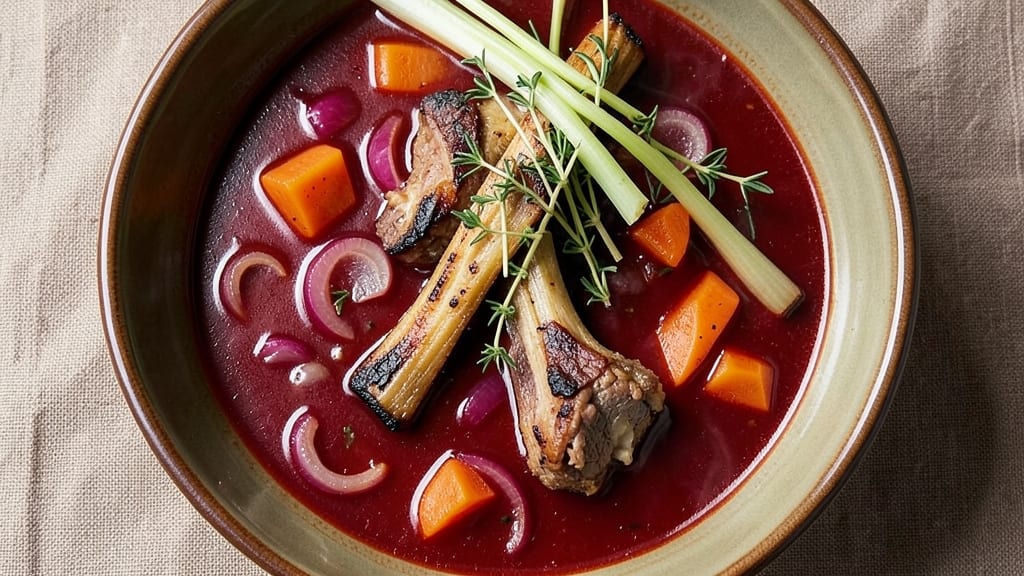
This Harrigan's prime rib soup recipe delivers restaurant-quality depth from slow-cooked beef bones and tender meat. The secret lies in hours of gentle simmering that extracts maximum flavor while keeping the broth rich and velvety.
I've perfected this technique over years of testing, ensuring every spoonful delivers that classic beefy satisfaction with just the right balance of herbs and vegetables.
The process begins with searing beef bones and vegetables to develop a deep, caramelized foundation. Then comes the slow simmer—where patience transforms tough bones into a flavorful broth and tender meat.
This method creates a soup with layers of umami that you simply can't achieve with shortcuts. The result is a hearty, comforting dish that's perfect for cold weather or special gatherings.
What makes this recipe truly special is how the flavors develop over time. The beef bones contribute a deep, meaty richness while the vegetables add natural sweetness and texture. Herbs like thyme and bay leaf work together to create an aromatic profile that's both familiar and sophisticated.
Each bowl delivers that perfect balance of tender beef, hearty vegetables, and rich, flavorful broth.
The best part? This soup tastes even better the next day as the flavors continue to meld. It's the kind of recipe that becomes a family tradition, passed down through generations.
Whether you're serving it at a holiday dinner or a cozy weeknight meal, this prime rib soup will be the star of your table. Let's get started on creating this comforting classic.
Ingredients for harrigan's prime rib soup
Six hearty ingredients build this restaurant-worthy soup from scratch—no shortcuts.
| Ingredient | Amount | Notes |
|---|---|---|
| Beef Bones (Prime Rib) 🥩 | 4 lb | Marbled, raw, from butcher |
| Yellow Onions 🧅 | 2 whole | Yellow or sweet, peeled |
| Carrots 🥕 | 4 whole | Medium size, scrubbed |
| Celery Stalks 🌿 | 4 whole | Stringy, cut into chunks |
| Garlic Cloves 🧄 | 8 cloves | Fresh, smashed |
| Fresh Thyme Sprigs 🌿 | 4 whole | Stems intact for easy removal |
| Bay Leaves 🍃 | 2 whole | Dried, standard size |
| Black Peppercorns 🌶️ | 1 tbsp | Whole, lightly crushed |
| Salt 🧂 | 1 ½ tsp | Kosher or sea salt |
| Tomato Paste 🍅 | 2 tbsp | Smooth, not chunky |
| Dry Red Wine 🍷 | 1 cup | Bold, like Cabernet |
| Beef Stock 💧 | 8 cups | Homemade preferred |
| Potatoes 🥔 | 2 lb | Russet, peeled, cubed |
| Fresh Parsley 🌿 | ¼ cup | Chopped, for garnish |
| Extra Virgin Olive Oil 🫒 | ½ cup | For searing |
The beef bones are non-negotiable here. Local butchers often have prime rib bones—ask for the marbled kind, not the lean ones. I usually buy mine from Whole Foods or my neighborhood meat shop, where they cut them fresh for me. If you're using store-bought, check for visible fat marbling—it's what gives that rich, beefy flavor. For the vegetables, don't peel the carrots if you can help it—the skin adds natural sweetness. The celery should be stringy, not woody, and the onions should be firm with no soft spots. Fresh thyme and bay leaves make all the difference—Penzeys or Trader Joe's have great quality. And trust me on the wine—any bold, dry red works here, but Cabernet Sauvignon is my go-to.
No beef bones? Beef marrow bones work in a pinch, though they're leaner. Running short on red wine? Beef broth with a splash of balsamic vinegar mimics the depth. Fresh herbs? Dried thyme at one-third the amount gets you close, but nothing beats the real thing. The tomato paste can be from a tube or jar—just make sure it's smooth, not chunky. For the potatoes, Yukon Golds hold up better than Russets during long cooking, but I use Russets for their starchy texture. If you're making this ahead, prep all your veggies and store them in the fridge until you're ready to sear—they'll keep for 3 days.
This soup tastes even better the next day as the flavors meld. Store it in the fridge for up to 5 days—the broth gets richer over time. For freezing, portion it into airtight containers and it keeps for 3 months. I always make a double batch because it disappears fast. The garnish of fresh parsley isn't just for looks—it adds a bright finish. Keep your bones and veggies prepped in the fridge until you're ready to start searing, but don't wash the bones—the natural oils are flavor gold. And if you're feeling fancy, serve it with crusty bread and a sprinkle of grated Parmesan.
Why You'll Love This Recipe
- No Chopping Chaos: I swear by the "mirepoix hack" here—just rough-chop onions, carrots, and celery into ½-inch pieces. No fancy dicing, no tears, and the flavor still sings through that rich beef broth.
- Rich Without Effort: Those prime rib bones? They melt into the pot, turning simple veggies into a velvety, umami-packed base. Honestly, the first time I made this, I nearly licked the spoon clean.
- Leftover Luxury: This soup only gets better after day two. The flavors deepen, and reheating takes two minutes. I freeze half the batch—because nothing beats coming home to a pot already simmering.
- Budget Booster: A single prime rib bone stretches into four servings, and the veggies? They’re the cheap, crunchy stars. Between us, this is my go-to when I need hearty meals without breaking the bank.
Step-by-step instructions for Harrigan's prime rib soup
This rich, velvety soup delivers deep beefy flavor from slow-cooked bones—let's build it layer by layer.
Sear the Beef Bones for Maximum Flavor
Preheat your largest pot over medium-high heat. Add the 0.5 cup extra virgin olive oil and let it shimmer for 1 minute. Arrange the 4 lb beef bones (prime rib) in a single layer, cut-side down, and sear undisturbed for 8-10 minutes until deeply browned and crispy in spots.
This caramelization creates the foundation of flavor—don't rush it. Flip the bones occasionally to brown all sides evenly. Once golden, remove them and set aside. You'll notice the pot now has a rich, nutty brown coating—this is pure flavor waiting to infuse into your soup.
Build the Aromatic Base
In the same pot, add the 2 whole yellow onions (cut into wedges), 4 whole carrots (cut into chunks), and 4 whole celery stalks (cut into 2-inch pieces). Cook for 8-10 minutes until softened and lightly browned, stirring occasionally.
Add the 8 cloves garlic cloves (smashed), 1 tbsp black peppercorns (lightly crushed), 1.5 tsp salt, and 2 tbsp tomato paste. Stir to coat everything in the paste, which will deepen the soup's richness. Cook for another 2 minutes until fragrant—this is where all the magic begins.
Deglaze and Simmer the Vegetables
Pour in the 1 cup dry red wine and scrape up all those browned bits from the bottom of the pot with a wooden spoon. This deglazing step captures all the concentrated flavor you just built. Let it simmer for 3-4 minutes until the wine reduces by half and the vegetables are tender.
Add the 4 whole fresh thyme sprigs, 2 whole bay leaves, and 8 cups beef stock. Bring to a gentle boil, then reduce heat to low and let it simmer uncovered for 1 hour. This slow cooking allows the vegetables to break down and infuse the broth with their natural sweetness.
Add Potatoes and Bones for Richness
Add the 2 lb potatoes (cubed) and return the seared beef bones to the pot. Bring back to a gentle simmer and cook uncovered for 1.5-2 hours, until the potatoes are fork-tender and the meat is falling off the bones. You'll know it's ready when you can easily pull the meat from the bones with a spoon.
Here's the thing—don't be tempted to rush this step. The longer the bones simmer, the more gelatinous and flavorful the broth becomes. This is what gives Harrigan's soup that signature depth and richness that keeps you coming back for more.
Finish and Garnish
Remove the beef bones, thyme sprigs, and bay leaves. Discard the bones and herbs, then taste the broth. Season with additional salt if needed—this soup should be rich but balanced. Stir in the 0.25 cup fresh parsley just before serving to brighten the flavors.
Ladle the soup into bowls, making sure each serving gets its fair share of those tender potatoes and rich broth. The result should be a velvety, deeply flavorful soup that's hearty enough to satisfy on its own. Serve immediately while hot, and enjoy the rich, comforting flavors of this classic Harrigan's-inspired dish.
Pro Tips For Making Harrigan'S Prime Rib Soup
- CRACK THE BONES FIRST: Prime rib bones are tough—don’t just toss them in raw. Smash the ends with a meat mallet or heavy pan to expose marrow, then roast them at 425°F for 20 minutes before adding liquid. The marrow melts into the broth, giving it that rich, velvety depth the recipe depends on.
- CHAR THE ONIONS LOW AND SLOW: I used to rush this step, and the onions never caramelized right. For Harrigan’s, cook them over medium-low heat for 15-20 minutes, stirring occasionally, until they’re deep amber—not burnt, just sweet and sticky. Patience here makes the whole soup sing.
- STRAIN TWICE, SKIP THE SLURRY: The recipe calls for a roux, but after years of making this, I skip the flour slurry and just strain the broth twice—first through a fine-mesh sieve, then a cheesecloth-lined colander. The result? A silky, unclouded broth without the risk of a lumpy mess.
- SAVE THE GARLIC PEELS: Don’t toss those garlic skins—they’re packed with flavor. After mincing the cloves, drop the peels into the broth with the bones and aromatics. They’ll infuse the liquid with a subtle, aromatic depth that cuts through the richness of the beef. (Yes, strain them out later.)
Troubleshooting perfect results
Broth Too Thin?
If your soup ends up watery, it’s usually because the bones didn’t simmer long enough. Return the pot to a gentle simmer and cook uncovered for an additional 30-45 minutes—this allows the collagen in the bones to fully break down and thicken the broth naturally.
For an immediate fix, whisk in 1 tbsp cornstarch mixed with 2 tbsp cold water and simmer for 2-3 minutes until thickened. 💫
Meat Not Tender?
Tough meat often means the bones weren’t cooked long enough. Extend the simmering time by another 30-60 minutes—the meat should easily pull away from the bones with a spoon.
If you’re short on time, transfer the bones to a 300°F oven for 30 minutes after simmering to help tenderize them faster. Avoid adding extra liquid, as this dilutes the flavor.
Vegetables Overcooked?
To prevent mushy vegetables, add the potatoes only 1 hour before the soup is done. If they soften too quickly, remove them 10 minutes early and reheat in the broth just before serving.
For extra control, parboil the potatoes for 5 minutes before adding them to the soup—this jumpstarts their cooking without overdoing it.
Weak Flavor Profile?
Faint flavors usually mean the bones weren’t seared properly or the broth didn’t reduce enough. Next time, sear the bones until they’re deep golden brown, and let the broth reduce by 20-25% uncovered on the stovetop.
For an instant boost, stir in 1 tsp beef bouillon powder or a splash of red wine vinegar to deepen the umami. 🍷
Potatoes Falling Apart?
Use waxy potatoes like Yukon Golds or red potatoes instead of Russets—they hold their shape better. If your potatoes are already disintegrating, strain the broth through a fine-mesh sieve, then return the potatoes to the pot to reheat for just 5 minutes.
For extra stability, toss the cubed potatoes in 1 tsp olive oil before adding them to the soup.
Herbs Too Bitter?
Overly bitter herbs mean they’ve cooked too long. Remove thyme sprigs and bay leaves after 1 hour of simmering, not the full 2 hours. For a milder flavor, use dried herbs (reduce to ½ the amount) or add fresh herbs like parsley only at the very end.
If the bitterness is already there, balance it with a pinch of sugar or a splash of lemon juice.
Nutrition facts
Frequently asked questions about Harrigan's prime rib soup
Can I use beef chuck roast instead of prime rib bones?
Yes, but the flavor will be less rich. Cut the roast into 2-inch chunks and sear them first to develop depth. The meat will break down during simmering, but prime rib bones create that signature gelatinous broth that's hard to replicate. For best results, use 2 lbs beef chuck and add it with the potatoes.
How do I know when the beef bones are done?
The meat should easily pull away from the bones with a spoon after 1.5-2 hours of simmering. If it's still tough, keep cooking uncovered for another 30 minutes. The broth should also be deeply flavored and slightly reduced—it should coat the back of a spoon.
Can I make this soup in a slow cooker?
Sear the bones and vegetables as directed, then transfer everything to a 6-quart slow cooker. Cook on low for 8-10 hours or high for 5-6 hours. The low-and-slow method enhances the broth's richness even more. Just skip the uncovered simmering step—slow cookers work best covered.
What's the best way to reheat leftovers?
Gently reheat on the stovetop over low heat—never microwave, as it can make the broth watery. Add 1-2 tbsp beef stock to restore richness if needed. For extra flavor, stir in a pinch of beef bouillon powder or a splash of red wine. Reheat until steaming hot, about 5-7 minutes.
Can I make this soup without wine?
Yes, but the flavor will be less complex. Replace the 1 cup red wine with 1 cup beef broth plus 1 tbsp balsamic vinegar. The vinegar adds depth similar to wine's acidity. For even better results, use 1 cup beef broth and 1 tbsp soy sauce—both enhance umami without alcohol.