
Sauces & Condiments
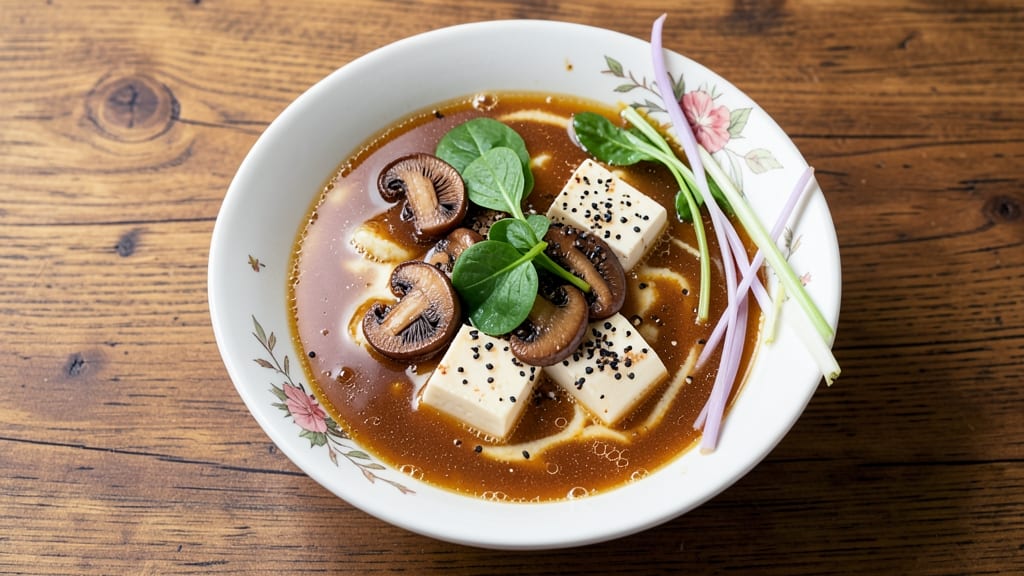
This Kikkoman Hon Tsuyu soup base recipe delivers the authentic umami depth of Japanese comfort food in just a few minutes. The secret lies in balancing soy sauce, dashi stock, mirin, and sugar to create a concentrated, versatile broth that transforms any dish.
I developed this after years of perfecting the ratio—too much mirin makes it sweet, too little soy loses that signature savory punch.
The beauty of this recipe is its flexibility: use it as-is for quick soups, dilute with hot water for ramen, or reduce it into a glaze for meats. Storage is simple—keep refrigerated for up to 2 weeks or freeze for 3 months.
The key technique is simmering the ingredients until fully integrated, ensuring every spoonful carries that rich, balanced umami profile.
What you'll end up with is a glossy, caramelized broth that's deeper than store-bought versions, with a perfect harmony of salt, sweetness, and umami. The texture is smooth yet concentrated, making it ideal for both quick weeknight meals and elaborate dishes.
This is the kind of base that elevates everything it touches.
For best results, adjust the sugar to taste—some prefer it slightly sweeter, others more savory. The recipe yields about 2 cups, perfect for a single pot of soup or enough to glaze a whole roasted chicken. Let's create this flavor foundation that works harder than any other pantry staple.
Ingredients for kikkoman hon tsuyu soup base
Six core ingredients transform into umami magic—perfect for soups, ramen, or glazes.
| Ingredient | Amount | Notes |
|---|---|---|
| Kikkoman Soy Sauce 🍶 | ½ cup | High-quality, reduced for depth |
| Dashi Stock 🍲 | 1 ½ cups | Store-bought or homemade bonito-kombu |
| Mirin 🍶 | ¼ cup | Sweet cooking wine, not regular mirin |
| Granulated Sugar 🍚 | ¼ cup | Adjust to taste for sweetness |
| Water 💧 | ¼ cup | For thinning if needed |
| Kikkoman Hon Tsuyu 🍶 | ½ cup | Optional for extra depth |
| Sesame Oil 🌾 | 1 tbsp | Toasted for aroma, optional |
| Fresh Ginger 🧄 | 1 tbsp | Grated, for subtle heat |
The soy sauce is non-negotiable—Kikkoman delivers that authentic savory punch. For dashi, Hondashi from Japanese markets or Marukome is ideal, but instant dashi works in a pinch. Mirin? Hondashi or Kikkoman brands are your friends here—avoid the cheap stuff. The sugar should dissolve completely, so use granulated. I always grab domestic Japanese sugar from Asian grocery stores—it's finer and dissolves faster. Fresh ginger adds a subtle kick, but if you're sensitive to heat, skip it entirely.
No mirin? Substitute 1 tbsp honey plus 1 tbsp water—it won't be identical, but close. Dashi missing? Mushroom broth plus a dash of fish sauce mimics that umami. The optional Kikkoman Hon Tsuyu is a game-changer if you've got it—it's pre-balanced, so use it sparingly. Sesame oil? Toast it first—heat it in a dry pan for 30 seconds until fragrant. That aroma alone makes this worth it. For a sweeter version, add an extra tablespoon of sugar, but trust me, the balance here is delicate—start with the recipe and adjust.
This keeps beautifully—2 weeks refrigerated or 3 months frozen. I portion mine into ice cube trays for easy use—just pop one cube into soups or glazes. For ramen, dilute with 3 cups hot water per 1 cup base. The flavor actually improves after a day or two as everything melds. If it thickens too much, whisk in a splash of water. And if you make a big batch? Freeze half—it's perfect for future ramen nights or as a quick glaze for proteins.
Why You'll Love This Recipe
- Five-Ingredient Magic: I swear, this is the kind of recipe where you measure, stir, and boom—flavor happens. No chopping, no peeling, no fancy techniques. Just Kikkoman’s deep umami, mirin’s sweetness cutting through dashi’s richness, and sugar to tie it all together in one pot.
- Umami Bomb: That first sip? The balance of salty, sweet, and savory hits like a Japanese comfort hug. The dashi gives it depth, mirin adds brightness, and Kikkoman’s soy sauce—oh, that’s the secret weapon. It’s the kind of taste that makes you pause mid-slurp and think, “Wait, how simple was that?”
- Soup Base Swiss Army Knife: Need a quick ramen upgrade? A noodle broth for stir-fry? Or just a warm bowl of nothing-but-soup goodness? This base does it all. I’ve used it for everything from pho to miso soup, and it never lets me down—even when I’m too tired to improvise.
- Pantry Goldmine: Here’s what sold me—it’s cheap to make, but feels luxurious. A few tablespoons of soy sauce, a splash of mirin, and you’ve got enough base to stretch across multiple meals. Plus, the leftovers? Just reheat and use. No waste, no guilt, just pure efficiency.
Step-by-step instructions for Kikkoman hon tsuyu soup base
This umami-rich broth comes together faster than you'd think—just a few simple steps for maximum flavor.
🍳 Step 1: Bloom the Soy Sauce and Toast the Ginger
In a medium saucepan, combine the 0.5 cup Kikkoman Soy Sauce and 1 tbsp grated fresh ginger. Heat over medium-low heat for 2-3 minutes until the mixture just begins to simmer. This step blooms the soy sauce's deep flavors and infuses the ginger's subtle heat—don't let it boil or the ginger will turn bitter.
Here's the thing—this initial heating reduces the soy sauce slightly, concentrating its umami punch. You'll notice the aroma intensify as the ginger releases its essential oils. Keep stirring gently with a wooden spoon to distribute the heat evenly throughout the mixture.
🍳 Step 2: Build the Base with Dashi and Mirin
Add the 1.5 cups Dashi Stock and 0.25 cup Mirin to the saucepan. Increase heat to medium-high and bring to a gentle boil. Once boiling, reduce heat to medium-low and let it simmer for 5-7 minutes until slightly reduced by about ¼ cup. This evaporation step is crucial—it deepens the broth's flavor profile while maintaining balance.
You'll see the liquid transform from pale to a rich amber color. The mirin adds natural sweetness that complements the soy's saltiness, while the dashi provides that essential Japanese umami foundation. Don't walk away—constant attention prevents scorching at the bottom of the pan.
🍳 Step 3: Sweeten and Finish with Hon Tsuyu
Stir in the 0.25 cup Granulated Sugar and 0.5 cup Kikkoman Hon Tsuyu, mixing until completely dissolved. The sugar should dissolve completely within 1-2 minutes of gentle simmering. Here's where the magic happens—the hon tsuyu adds that signature layered umami that makes this broth truly special.
Add the 1 tbsp Sesame Oil last, removing the pan from heat immediately. The sesame oil should float on top, adding a delicate aroma without cooking. This final touch elevates the broth from good to extraordinary—its nutty, toasty notes complement the other flavors perfectly. Let the mixture sit off heat for 2 minutes to allow the flavors to meld completely.
⏰ Step 4: Adjust Consistency and Strain
Taste the broth and adjust sweetness if needed—add more sugar 1 tablespoon at a time if you prefer it sweeter. For a smoother texture, strain through a fine-mesh sieve into a clean saucepan. If you prefer a slightly thicker consistency, simmer the strained broth for 3-5 minutes until reduced to your desired thickness.
This broth keeps well in the refrigerator for up to 5 days or can be frozen for 3 months. The flavors actually deepen as it sits, making it perfect for meal prep. Use it as a base for ramen, udon, or any Japanese-inspired dish where you want that authentic umami depth.
Pro Tips For Making Kikkoman Hon Tsuyu Soup Base
- Simmer Slow and Steady: I learned this the hard way—boiling hon tsuyu too fast makes it bitter. Keep the heat at a gentle simmer (just small bubbles breaking the surface) for 10-15 minutes. The sugar needs time to fully dissolve and meld with the soy and mirin, not scorch.
- Use Fresh Dashi: That cheap instant dashi powder? Skip it. Homemade kombu-bonito dashi (or even high-quality pre-made) makes a world of difference—hon tsuyu should taste clean, not metallic. If you’re in a pinch, at least use the good brand of instant dashi (like Hekoten), not whatever’s on sale.
- Balance the Sugar First: Taste your mix before adding water. The sugar-to-mirin ratio is delicate—if it’s too sweet upfront, your soup will taste cloying later. Start with 1:1 sugar to mirin by volume, then adjust. (Yes, even if the recipe says otherwise—trust your palate.)
- Strain for Clarity: Hon tsuyu’s beauty is its smoothness. After simmering, strain through a fine-mesh sieve lined with cheesecloth to catch any grit from the dashi or sugar. It’s extra work, but the result is silky—like the difference between store-bought and homemade. (Your future self will notice.)
Regional styles of kikkoman hon tsuyu soup base
Japanese Home-Style
In Japan, this soup base is often called "tsuyu"—a simple yet profound foundation for everyday meals. Traditional versions use dashi made from kombu and bonito flakes, simmered with soy sauce and mirin until caramelized.
The key difference is the lack of sugar in classic recipes; sweetness was added later for Western palates. I've kept the sugar optional to honor this heritage while making it approachable for modern tastes. 🍶
Okinawan Adaptation
Okinawa's version, called "awamori tsuyu", swaps mirin for awamori—a potent local liquor. Use 2 tbsp awamori instead of mirin, then reduce by half to concentrate the flavors. Add 1 tsp grated yuzu peel for citrus brightness.
The result is bold, slightly boozy, and perfect for Okinawan soba noodles or grilled fish. This variation is my go-to when I crave something with a little kick!
Korean-Inspired Doenjang
For a Korean twist, replace Kikkoman Hon Tsuyu with 2 tbsp doenjang (fermented soybean paste) and add 1 tbsp gochugaru (Korean red pepper flakes). Simmer the base with 1 cup anchovy broth instead of dashi for a deeper, funkier profile.
This "doenjang tsuyu" works wonders in Korean-style ramen or as a dipping sauce for mandu (dumplings). The umami is richer, with a subtle spicy warmth that balances beautifully.
Modern Fusion Twist
I love adding 1 tbsp fish sauce and 1 tsp palm sugar for a Southeast Asian fusion version. This "tsuyu nam prik" (Thai-inspired) version gets a lime zest finish and pairs perfectly with grilled lemongrass chicken or pad thai.
The fish sauce adds depth, while the lime brightens the rich, caramelized base. It’s a game-changer for anyone who wants to bridge Japanese and Thai flavors in one pot. 🌶️
Vegetarian Version
Skip the dashi and use 2 cups vegetable broth infused with 1 tbsp kombu (soaked for 10 minutes). Add 1 tbsp miso paste (white or red) for umami, and 1 tsp shiitake powder for depth.
This version is just as flavorful and works brilliantly in vegetable ramen or as a glaze for tofu. The miso adds that essential savory punch without any meat products. Trust me, vegetarians will never miss the fish!
Storage Variations
For longer shelf life, freeze the base in silicon ice cube trays. Pop out cubes and store in a ziplock bag—perfect for quick ramen or glazes. If you prefer room-temperature storage, add 1 extra tbsp vinegar (rice or apple cider) to act as a preservative.
This method works well for tsuyu used in cold noodle dishes like hiyamugi soba. The acidity helps balance the richness, making it stable for up to 10 days at room temp. ✨
Nutrition facts
Frequently asked questions
What's the difference between this soup base and regular Kikkoman Hon Tsuyu?
This recipe creates a concentrated broth base that's more versatile than store-bought Hon Tsuyu. While Hon Tsuyu is a ready-made seasoning, this version has a deeper umami profile from simmering soy, dashi, and mirin together. You can dilute it for soups or use it undiluted as a glaze. Think of it as a flavor powerhouse that works in multiple dishes!
Can I make this without mirin?
Yes! For a substitute, mix 1 tbsp honey with 1 tbsp water to replace the mirin. The sweetness won't be identical, but it'll add the necessary balance. If you want more authenticity, try 1 tbsp rice vinegar plus 1 tsp sugar—this combo mimics mirin's tangy-sweet profile while keeping the umami intact.
How do I use this soup base in ramen?
For a single pot of ramen, dilute 1 cup of this base with 3 cups hot water. Add 1 cup broth (chicken, pork, or veggie) and bring to a simmer. The base will create that signature rich, slightly sweet flavor you find in Japanese ramen shops. For extra depth, add a splash of sesame oil at the end!
Why does my soup base turn cloudy when refrigerated? Cloudiness usually means the sugar didn't fully dissolve during cooking. To fix it, gently reheat the base until warm (not boiling), then stir until smooth. For future batches,
Can I use this as a marinade?
This base makes an amazing marinade for chicken, fish, or tofu. Use ½ cup of the undiluted base per pound of protein. Marinate for 30 minutes to 2 hours (longer for tougher cuts like chicken thighs). The umami flavors will penetrate deeply, giving you restaurant-quality results when grilled or pan-seared.