
Soups & Stews
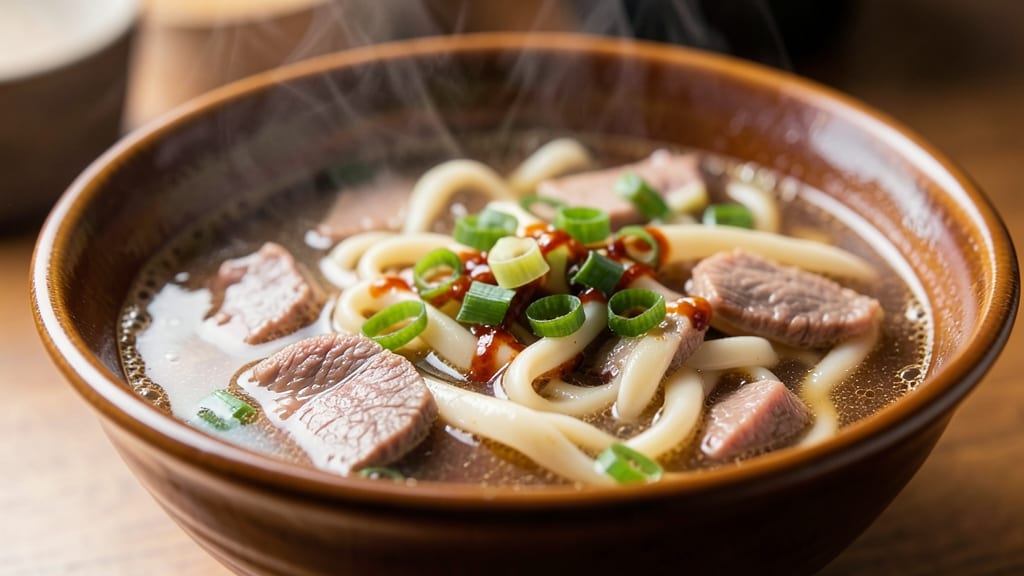
This beef udon miso soup recipe delivers restaurant-quality depth in just 30 minutes—where rich, umami-packed broth meets chewy udon noodles and tender beef slices. The secret lies in balancing traditional miso paste with a simple dashi base, creating a broth so flavorful it transforms basic ingredients into something extraordinary.
I developed this version after years of perfecting the art of Japanese comfort food, ensuring every spoonful delivers that perfect harmony of salty, savory, and slightly sweet notes.
The foundation starts with a foolproof broth made from miso paste, dashi stock, and a touch of mirin for brightness—no complicated techniques required. While the broth simmers, you'll quickly prepare udon noodles (using store-bought for convenience or homemade for texture) and sear thinly sliced beef for maximum tenderness.
The result? A soup where each component—chewy noodles, silky broth, and perfectly cooked beef—works together in perfect balance.
What makes this recipe truly special is how it comes together: silky udon soaks up the aromatic broth, while the beef adds hearty substance and the miso provides that unmistakable Japanese depth.
Topped with fresh green onions, soft tofu, and a drizzle of chili oil, it becomes a complete meal that's both comforting and satisfying. The best part? It's ready in 30 minutes, making it perfect for weeknight dinners or cozy gatherings.
Serve with pickled ginger to cut through the richness or a side of steamed rice for extra heartiness. This soup proves that homemade Japanese comfort food doesn't require hours in the kitchen—just the right techniques and a few key ingredients.
Let's get started on creating your own bowl of warmth and flavor.
Ingredients for beef udon miso soup
Rich umami broth, chewy udon, and tender beef—just 15 ingredients transform into restaurant-quality comfort.
| Ingredient | Amount | Notes |
|---|---|---|
| Udon Noodles 🍜 | 8 oz | Fresh or dried, cut into 6-inch lengths |
| Lean Beef 🥩 | 1 lb | Thinly sliced against grain for tenderness |
| White Miso Paste 🧈 | ½ cup | High-quality, fermented soybean paste |
| Dashi Stock 💧 | 4 cups | Instant or homemade kombu-bonito broth |
| Mirin 🍶 | 2 tbsp | Sweet rice wine for brightness |
| Soy Sauce 🍶 | 2 tbsp | Kosher or Japanese tamari preferred |
| Green Onions 🧅 | ¼ cup | Thinly sliced, white and green parts |
| Silken Tofu 🧈 | 8 oz | Soft, unpressed tofu cubes |
| Chili Oil 🌶️ | 1 tbsp | For garnish, homemade or store-bought |
| Sesame Seeds 🌰 | 1 tsp | Toasted for garnish |
| Garlic Cloves 🧄 | 2 cloves | Minced for dashi infusion |
| Ginger 🧅 | 1 tbsp | Fresh, grated for aromatic depth |
| Pickled Ginger 🍯 | 2 tbsp | For serving, optional but recommended |
| Neutral Oil 🫒 | 1 tbsp | For searing beef, like vegetable or canola |
| Salt 🧂 | 1 tsp | Kosher salt for seasoning |
The miso paste is non-negotiable here—Miso Master or Honten brands deliver that authentic depth. Grab the white miso for this recipe, not red. The udon noodles? Fresh from an Asian market gives the best texture, but dried works in a pinch. If you're using dried, boil them separately for 2-3 minutes until al dente. The beef should be thinly sliced against the grain—ask your butcher to do this if you're not confident. For the dashi stock, instant dashi granules are a lifesaver when you're short on time, but homemade kombu-bonito is worth the effort for that unmistakable oceanic flavor.
No miso paste? Substitute with 1/4 cup soy sauce plus 1 tbsp sugar, but you'll lose that complex umami. Short on mirin? Dry sherry or white wine vinegar at half the amount works, though it won't be as sweet. The tofu can be firm if you prefer, but silken tofu melts beautifully into the broth. For the chili oil, homemade with Sichuan peppercorns adds incredible heat, but any chili oil will do. The green onions should be thinly sliced—white and green parts both add flavor. If you're feeling adventurous, swap the beef for shiitake mushrooms for a vegetarian version, but trust me, the beef makes this dish extraordinary.
The broth keeps beautifully—3 days in the fridge or 3 months frozen. Double the batch and freeze portions for lazy weeknights. The udon noodles? Store them in the fridge for up to 3 days in a sealed bag with a damp paper towel. For the beef, cook it fresh or freeze it for up to 2 months. When reheating, add a splash of water to the broth to restore its silky texture. This soup tastes even better the next day as the flavors meld—perfect for meal prep.
Why You'll Love This Recipe
- No-Chop Night: I swear by this when I’m too tired to slice anything—just thinly slice the beef (or buy pre-sliced) and toss it in. The udon cooks in minutes, and the miso and mirin do all the flavor work while you’re stirring. Honestly, it’s my lazy night’s best friend.
- Umami Bomb: That first spoonful of the soup—savory, slightly sweet, with the beef melting into the rich dashi and miso? It’s the kind of flavor that makes you pause mid-sip. The mirin brightens it just enough to keep it from being heavy, and the udon soaks it all up like a dream.
- Lunchbox Hero: Between us, this is my go-to for meal prep. Cook a big batch, portion it into containers, and you’ve got hearty lunches for days. The noodles stay tender, the broth doesn’t get watery, and it reheats like it was just made. (Yes, even on a Tuesday night.)
- Budget Warmth: Lean beef stretches far in this recipe, and miso and dashi are pantry staples that won’t break the bank. Leftovers? Even better—the broth gets deeper in flavor overnight, and the noodles just get more satisfying the second time around. It’s cheap comfort food at its finest.
Step-by-step instructions for beef udon miso soup
This hearty udon soup comes together faster than you'd think—rich umami broth meets tender beef and chewy noodles in perfect harmony.
Prepare the Beef and Aromatics
Slice the 1 lb lean beef thinly against the grain—this ensures maximum tenderness when cooked. Pat the slices dry with paper towels, then season generously with 1 tsp salt on both sides. Set aside for 10 minutes to let the salt penetrate.
While the beef rests, mince the 2 cloves garlic cloves and grate the 1 tbsp ginger using a microplane. Thinly slice the 0.25 cup green onions, separating the white and green parts. Keep these aromatics ready—they'll infuse the broth with layers of flavor.
Sear the Beef for Deep Flavor
Heat 1 tbsp neutral oil in a large pot over medium-high heat until shimmering. Working in batches to avoid crowding, add the seasoned beef slices and sear for 1-2 minutes per side until they develop a rich brown crust. Remove the beef and set aside—those caramelized bits will form the base of your soup's depth.
In the same pot, add the minced garlic and ginger. Sauté for 30 seconds until fragrant but not browned—this prevents bitterness. Immediately pour in the 4 cups dashi stock, scraping up any browned bits from the bottom of the pot with a wooden spoon. Bring to a gentle simmer over medium heat for 5 minutes to infuse the broth with aromatic flavors.
Build the Umami-Rich Broth
Reduce the heat to low and stir in the 0.5 cup white miso paste, 2 tbsp mirin, and 2 tbsp soy sauce. Let the mixture simmer gently for 5 minutes, stirring occasionally to ensure the miso dissolves completely—this creates that signature velvety texture and deep umami flavor. The broth should be smooth with no visible paste.
Return the seared beef to the pot and let it simmer for another 3-4 minutes until heated through. Add the 8 oz silken tofu cubes and cook for 2 minutes—just enough to warm them through without breaking apart. Remove the pot from heat and let the broth steep for 5 minutes to meld all the flavors.
Cook and Assemble the Udon
While the broth steeps, prepare the 8 oz udon noodles according to package instructions—typically 3-4 minutes in boiling water until al dente. Drain immediately and rinse briefly under cold water to stop the cooking process. Divide the noodles evenly among 4 bowls.
Ladle the hot broth over the noodles, distributing the beef and tofu evenly. Garnish each serving with 1 tbsp chili oil drizzled on top, 1 tsp toasted sesame seeds sprinkled over the surface, and a few slices of pickled ginger on the side. The chili oil adds a subtle kick, while the sesame seeds bring nutty contrast.
Serve Immediately for Maximum Freshness
This soup is best served immediately while the broth is steaming hot and the noodles are still chewy. Stir each bowl gently to combine all the elements—you should see the rich, golden broth clinging to the noodles and the beef slices peeking through.
For the perfect first bite, take a spoonful of broth and noodles together, then add a piece of beef and tofu. The contrast of temperatures and textures—hot broth, chewy noodles, tender beef, and silky tofu—makes every mouthful unforgettable. Serve with extra pickled ginger on the side if desired.
Pro Tips For Making Beef Udon Miso Soup
- Boil Udon Until Just Tender: I used to overcook these noodles until they turned to mush—don’t. Udon should have a satisfying bite, so test one piece at 2 minutes less than the package says. Drain immediately and rinse under cold water for 10 seconds to stop cooking. The starch in the water will thicken your broth later, but you don’t want gummy noodles.
- Slice Beef Thinly Against the Grain: Thick slices of beef stay chewy no matter how long you simmer them. Use a sharp knife and cut the meat at a 45-degree angle against the grain into paper-thin strips—about 1/8-inch thick. If your knife isn’t up to it, freeze the beef for 20 minutes first; it’ll slice cleaner.
- Dissolve Miso Gently: Stirring miso paste into hot broth kills its flavor and releases bitterness. Instead, whisk a ladle of cooled broth (just warm to the touch) with the miso in a small bowl first, then pour it into the pot. This keeps the paste’s rich umami intact and prevents clumping—no one wants grainy soup.
- Simmer Dashi Low and Long: Skipping this step makes your broth taste flat. After adding dashi stock and mirin, bring to a bare simmer (tiny bubbles, not a rolling boil) and let it cook uncovered for 10 minutes. This lets the flavors meld and reduces the broth slightly for a deeper taste. Trust me, the extra time pays off.
Regional styles of beef udon miso soup
Japanese Home-Style
This is the classic version you'd find in Japanese households, where simplicity meets bold flavor. The broth relies on white miso paste for depth, combined with dashi stock and a touch of mirin for brightness. I often use Honten brand miso for that authentic, slightly sweet-salty profile.
The beef is thinly sliced and seared just until tender, then simmered briefly in the broth to maintain its texture. Serve with pickled ginger on the side—it's a must for cutting through the richness and adding a refreshing contrast. 🧈
Okinawa-Inspired
Okinawa's version leans into tropical flavors with a lighter touch. Swap the white miso for red miso (just 2 tbsp) and add 1 tbsp grated yuzu zest or 1 tsp lime juice to the broth for a citrusy brightness.
Include 1 cup shredded cabbage and ½ cup shredded daikon radish to the soup for extra texture. Garnish with toasted sesame seeds and a sprinkle of bonito flakes for that signature Okinawan umami. The result is a lighter, more refreshing take on udon miso soup. 🌱
Korean-Inspired
For a Korean-inspired twist, incorporate gochujang (Korean chili paste)—start with 1 tbsp and adjust to taste. Add 1 tbsp soy sauce and 1 tsp sugar to the broth for a deeper, slightly spicy profile.
Use thinly sliced pear (about ½ cup) in the soup for natural sweetness that balances the heat. Top with thinly sliced green onions and a drizzle of sesame oil instead of chili oil. The pear adds a subtle floral note that elevates the dish. 🌶️
Modern Fusion
This version blends Japanese comfort with modern techniques. Use store-bought udon noodles for convenience, but elevate the broth with 1 tbsp fish sauce and 1 tsp smoked paprika for depth. Add ½ cup corn kernels and ½ cup diced bell peppers for a pop of color and sweetness.
Garnish with crumbled feta cheese and fresh cilantro for a surprising but delicious twist. The fusion of textures and flavors makes this a crowd-pleaser for any occasion. 💫
Vegetarian Adaptation
Skip the beef entirely and use shiitake mushrooms (about 8 oz) instead. Sauté them until deeply caramelized before adding to the broth. Add 1 cup baby spinach to the soup just before serving—it wilts beautifully in the hot broth.
For extra protein, include 8 oz firm tofu pressed and cubed. The umami from the mushrooms and miso makes this vegetarian version just as satisfying. 🌿
Nutrition facts
Frequently asked questions
Can I use dried udon noodles instead of fresh?
Dried udon works perfectly—just cook them according to package instructions (usually 3-4 minutes in boiling water) until al dente. For extra chewiness, rinse briefly under cold water after cooking to stop the cooking process. The texture will be slightly firmer than fresh, but the flavor remains rich and satisfying.
What's the best way to store leftover beef udon miso soup?
Store the broth and toppings separately for best results. The broth keeps well for 3 days in the fridge or 3 months frozen—just reheat gently over low heat. For the udon, store cooked noodles in a sealed bag with a damp paper towel to prevent drying. When reheating, add a splash of water to restore the broth's silky texture.
How can I make this soup vegetarian?
Replace the beef with 8 oz shiitake mushrooms (sautéed until caramelized) and add 1 cup baby spinach to the broth just before serving. For extra protein, include 8 oz firm tofu pressed and cubed. The umami from mushrooms and miso keeps the dish hearty and flavorful without meat.
Why does my broth taste too salty?
Miso paste is intensely salty, so taste as you go! If needed, dilute with ½ cup hot water or add 1 tbsp mirin to balance the saltiness. For future batches, reduce the miso to ¼ cup or use a lower-sodium dashi stock. The key is gradual addition—stir and taste after each step.
Can I make this soup ahead of time?
Yes! Prepare the broth and beef mixture up to 2 days ahead—store in the fridge. When ready to serve, simply reheat the broth, cook fresh udon noodles, and assemble. The flavors actually improve overnight as the miso deepens. For make-ahead convenience, freeze the broth in portions for quick weeknight meals.